
 Johnson Alex
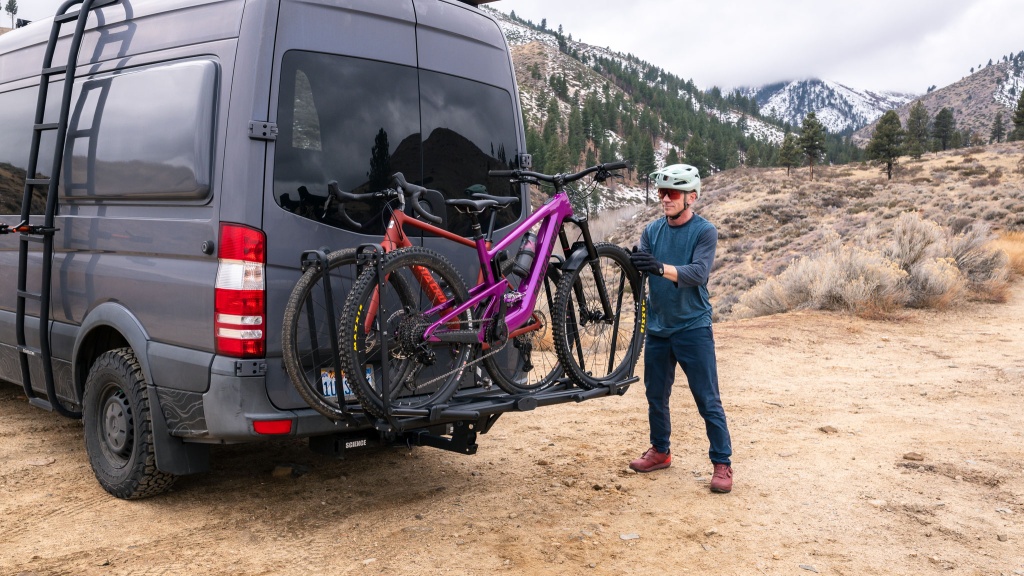 For avid cyclists, one of the biggest challenges is finding the right way to transport bikes while on the go. Whether you’re heading to a new trail, a race, or just enjoying a weekend getaway, transporting your bikes can be a hassle if you don’t have the right equipment. This is where hitch bike racks come in, offering a convenient and secure solution for bike transportation.
Hitch bike racks attach to the tow hitch on the back of your vehicle, providing a stable platform for carrying bikes while freeing up space inside your car. But with so many options available, it can be difficult to determine which one is best for your needs. This ultimate guide will walk you through everything you need to know to choose the right hitch bike rack, ensuring you have a safe and efficient way to transport your bikes.
Understanding the Types of Hitch Bike Racks
Before you dive into the details of choosing the right hitch bike rack, it’s important to understand the different types available on the market. Each type has its own advantages and is suited to different kinds of cyclists and vehicles. The two most common types are platform racks and hanging racks.
- Platform Racks:Platform racks are the most stable and secure type of hitch bike rack. They hold bikes by their tires, so there is no contact with the bike frame, reducing the chance of scratches or damage. Platform racks are particularly great for heavier bikes, like mountain bikes or e-bikes, due to their sturdy design. The bikes sit flat on the rack, making them easy to load and unload. These racks offer exceptional stability, which makes them a great option for cyclists who prioritize durability and ease of use.
- Hanging Racks:Hanging racks are a more affordable and lighter option compared to platform racks. They hold bikes by their frames, with the bikes hanging vertically. This type of rack is often easier to install and lighter to carry, making it a good choice for casual cyclists or those with lighter bikes. However, hanging racks can be less stable, especially for heavier or high-end bikes. They are a great option for cyclists who prioritize a more budget-friendly solution and are willing to manage the additional effort required to load and secure their bikes.
Each have their own pros and cons, and it’s ultimately up to your preference. There are countless articles comparing platform versus hanging bike racks if you want additional information on the pros and cons of each.
Consider the Number of Bikes You Need to Carry
One of the first things you should think about when choosing a hitch bike rack is how many bikes you plan to transport. Hitch bike racks come in various sizes, with most models carrying 2, 3, or 4 bikes. If you plan to carry multiple bikes, make sure the rack you choose has enough capacity for your needs.
For example, families with multiple bikes or cyclists who often ride with friends will need a rack that can handle more than two bikes. Many hitch bike racks offer expandable options, allowing you to add additional bike trays or arms to accommodate more bikes. If you only need to transport one or two bikes, a more compact rack may be sufficient.
Keep in mind that the weight capacity of the rack is also a crucial factor. If you’re carrying heavier bikes, such as mountain bikes or electric bikes, be sure to choose a rack that can handle the weight of both the bikes and the rack itself.
Vehicle Compatibility
Not all hitch bike racks are compatible with every vehicle. Before purchasing a rack, you’ll need to ensure that the rack fits your vehicle’s tow hitch. There are two common hitch sizes: 1.25 inches and 2 inches. The size of the hitch on your vehicle will determine which racks will fit.
- 25-inch hitch:Typically found on smaller cars, sedans, and compact SUVs.
- 2-inch hitch:The most common size found on larger vehicles like SUVs, trucks, and minivans.
Some hitch bike racks are designed to fit both sizes, but it’s important to double-check before making a purchase. Additionally, check your vehicle’s towing capacity to ensure that it can support the weight of both the bike rack and the bikes you intend to transport. Exceeding the hitch weight limit could cause safety issues while driving.
Ease of Loading and Unloading
One of the most important factors to consider when choosing a hitch bike rack is how easy it is to load and unload your bikes. The best racks are those that make this process as simple as possible. Platform racks generally have the edge in this regard, as they allow you to roll the bikes onto the rack without having to lift them too high or worry about balancing them. Some models even feature tilting mechanisms that allow you to lower the rack for easier loading.
Hanging racks, while lighter and more affordable, can require more effort to load, especially if you have heavier bikes. However, many modern hanging racks feature adjustable arms that can make bike placement easier, along with ratcheting straps that secure the bikes in place.
Security Features
Security is a key concern when transporting bikes. After all, your bikes are an investment, and you don’t want to risk them being stolen while you’re out enjoying the ride. Many high-quality hitch bike racks come with integrated locking systems that secure both the bikes to the rack and the rack to your vehicle.
Look for racks with built-in locks or optional lock kits for additional protection. Some models also offer anti-theft features, such as locking hitch pins, ensuring that the entire rack and bikes are secured when you’re not around. It’s always a good idea to lock up your bikes when you’re stopping for gas or food during a long road trip.
Storage and Portability
Consider how easy it will be to store and transport the bike rack itself when it’s not in use. Some hitch bike racks can be bulky, so if you’re short on storage space, look for a model that can be folded up or removed easily when not in use. Many platform racks offer a folding design, which makes them easier to store in the garage or trunk when you’re not transporting bikes.
Additionally, ensure the rack you choose doesn’t make your car too bulky to park or navigate narrow spaces. If you need to remove the rack after use, opt for a model that allows for quick and easy detachment.
Choosing the Right Rack for Your Needs
Choosing the right hitch bike rack involves evaluating your needs, considering your vehicle’s compatibility, and finding a rack that suits your bike type and transport requirements. Whether you choose a platform rack for its stability and ease of use or a hanging rack for its affordability and lighter weight, it’s important to select a rack that matches your transportation needs and cycling lifestyle.
Choosing A Hitch Bike Rack
Choosing the right hitch bike rack involves evaluating several factors, including the type of rack, the number of bikes you need to carry, vehicle compatibility, ease of use, security features, and storage options. Hitch bike racks provide a safe, secure, and efficient solution for transporting your bikes, whether you’re heading to a nearby park or embarking on a long road trip. By considering your personal requirements and the factors mentioned in this guide, you can make an informed decision that ensures your bikes are transported safely and with ease.
With the right hitch bike rack, you can hit the road with confidence, knowing your bikes are securely stored and ready for your next adventure.

