
 Johnson Alex
Your vehicle depends on a properly functioning lead-acid battery to activate ignition, fuel, and electrical systems essential for operation. Testing its charge capacity, connections and overall condition at regular intervals helps avoid being stranded with a dead battery. In the following passage, we will look at the foolproof methods anyone can follow to diagnose battery health at home.
Check Age and Purchase Date
There are easy visual clues to a fading battery hiding under your hood. First, locate the sticker or raised letter code on the top or side battery case indicating month and year of manufacture. If your battery is over 3 years old, it’s approaching the end of reliable service life regardless of how well it has been maintained.
Next, if available, note the battery replacement receipt or installer work order from your records. Typically, batteries last just over 5 years before beginning to fail, even sooner in hot climates. If your battery meets or exceeds these age benchmarks, plan now for replacement before getting caught off guard far from home or help.
Inspect Terminals and Cables
Corroded battery terminals and frayed cable ends cause hard starting and electrical glitches long before batteries lose their internal charge capacity.
Check that tightly fastened cable lugs completely encircle clean metal on terminal posts. Use a wire brush to remove any green or white corrosion residue nearby on posts or connectors. Replace damaged cables with cracked insulation or exposed wires which hamper flow of starter current. Properly mating clean surfaces between cables, terminals and posts allows vital electricity to flow freely to all systems.
Check Charge and Voltage
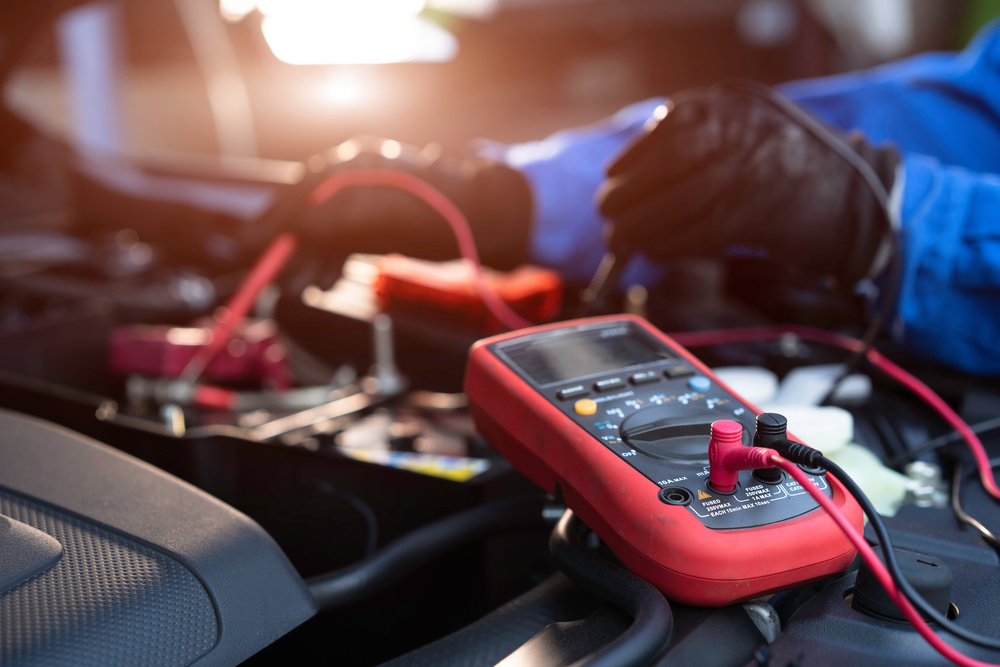
According to the folk at Clore Automotive, a basic battery load test using a battery condition tester gauges both state of charge and overall health. Home testers designed for occasional use easily clip onto battery terminals. Turn on your headlights to place a small power drain load on your car battery during testing.
Quality testers then display battery voltage readings along with a pass/fail grade. Consistently low voltage under 12-volts even when fully charged signals impending failure. Significantly lower than rated Cold Cranking Amps or failed ratings on small load tests indicates replacement time.
Watch for Signs of Failure
A telltale symptom is if your once powerful battery now cranks weakly or drains prematurely between drives. Expect to replace it if experiencing any of these common indicators:
- Dimming headlights when idling, stalling if revs drop too low.
- Clicking or whirring noises when turning the ignition.
- Need to press accelerator mid-crank for engine to catch.
- Failure to start unless car is pushed or jump started.
- Battery recharger needed every couple of weeks to maintain function.
Any of these demonstrate internal battery capacity fading to the point future no-start and electrical issues become inevitable. Replace older batteries at the first sign of these failure symptoms to avoid being stranded roadside.
Check for Damage
While batteries endure jolts and bumps in daily operation, excessive case damage accelerates their demise. Inspect closely for these signs of exterior abuse over time:
- Cracked or warped outer case.
- Broken hold down brackets.
- Bulging sides or leaking fluid residue.
- Burn marks or melted terminal posts.
Heavily damaged batteries short internally as protective layers fail. Continuing to operate in this condition causes unpredictable electrical failures. Replace visibly broken batteries that exhibit these external flaws immediately before catastrophic failures leave you stranded mid-trip.
Conclusion
Avoid a stranded vehicle and repair bills with attentive at-home battery inspections using the tests outlined here. Catching underlying wear early provides lead time for replacement. Then your ride fires up reliably no matter the weather or driving demands faced daily.

