
 Johnson Alex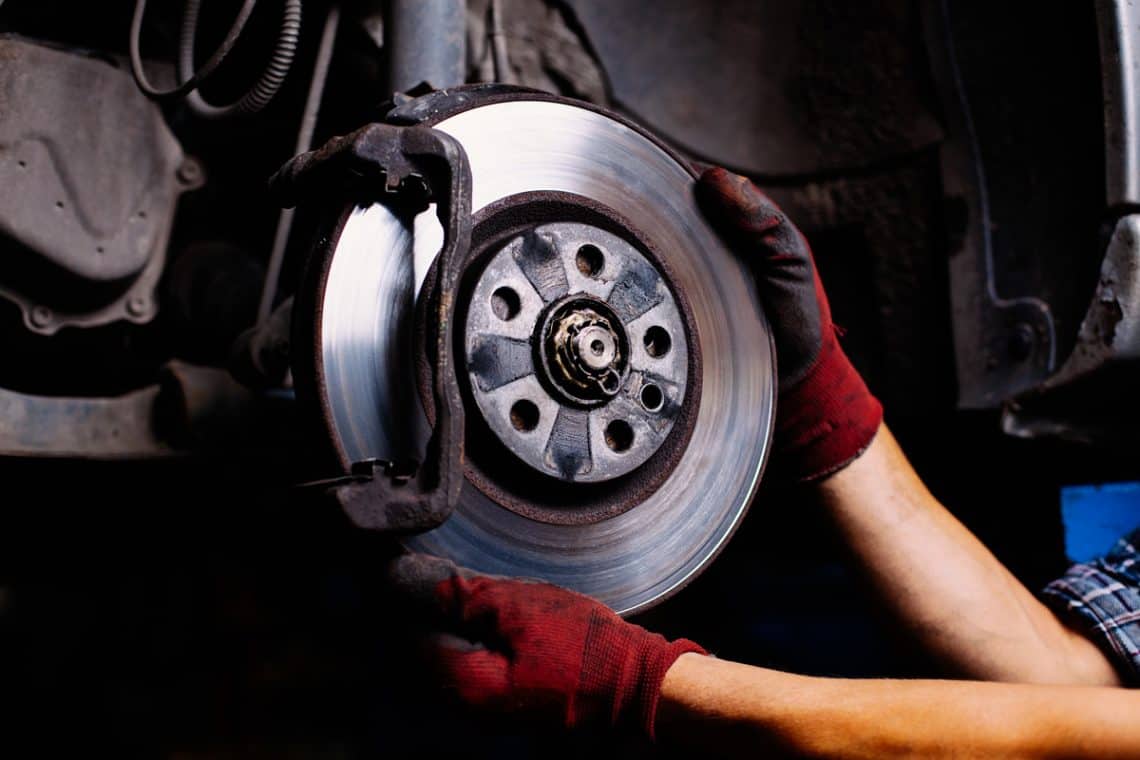
A report outlining the results of the inspection and suggested courses of action is sent to you after you bring your car in for brake service. Due to its abundance of technical jargon and unusual vocabulary, this document may occasionally appear to be written in a foreign language. But to make wise choices regarding the upkeep and safety of your car, you must comprehend this report. By demystifying your brake service report, this article will enable you to comprehend the conclusions and suggestions made by your mechanic.
Interpreting the Results of the Inspection
Usually, the brake service report starts with a thorough description of the parts that were examined. This comprises the master cylinder, brake pads, callipers, brake lines, and rotors or drums. It is essential to comprehend the terms used to characterize the state of these components. The remaining brake pad thickness, for instance, can be expressed in millimetres in the report. Understanding the lowest permissible thickness enables you to predict when a replacement will be necessary. Similar to this, terms like “scoring” or “warping,” which describe rotor condition, suggest possible problems that could impair braking effectiveness and safety.
Comprehending Suggested Services
The report will include a list of suggested services based on the inspection’s findings. These suggestions are predicated on the mechanic’s evaluation of the braking parts’ state and possible influence on the security of your car. Brake fluid flushing, calliper repair or replacement, rotor resurfacing or replacement, and brake pad replacement are typical suggestions. It’s critical to comprehend the reasoning behind each suggestion. Never be afraid to ask your mechanic to clarify the need for a specific service and the possible repercussions of skipping it. You may make an informed choice that fits your financial and safety needs by knowing the “why” behind the recommendation. If you’re looking for Brake Repair in Wilmington, NC, trusting a professional mechanic to assess and maintain your braking system is essential for your vehicle’s safety.
Setting Recommendations First and Looking for Clarification
Not all suggestions are the same. Some issues may wait, while others are urgent and pose safety risks. The brake report usually lists critical issues, but debate with your mechanic which ones are most important. Determine which repairs are preventative and which are safety-related. If something is unclear, ask for clarification. A reliable technician will gladly explain the findings and recommendations, highlighting each issue’s severity and potential implications.
Conclusion
Now that you understand the inspection results and advised services, you can make informed decisions. Consider your budget, driving style, and automobile condition. Consult your mechanic for alternatives. Safety comes first, and good brakes are essential. Read your brake service report and communicate with your mechanic to ensure your car gets the maintenance it needs to keep you safe.

