 Johnson Alex
You wash the car, dry it, and run a hand across the hood. It looks clean, yet the paint feels faintly gritty, almost like fine sandpaper.
That texture usually comes from bonded contaminants, tiny particles that have stuck to the clear coat and won’t rinse away with shampoo. A clay bar treatment is the standard fix, and it’s one of the least understood steps in car care.
Here’s what the treatment does, how to tell when your car needs it, and where it fits alongside polish, wax, and ceramic coatings.
What a Clay Bar Treatment Actually Is
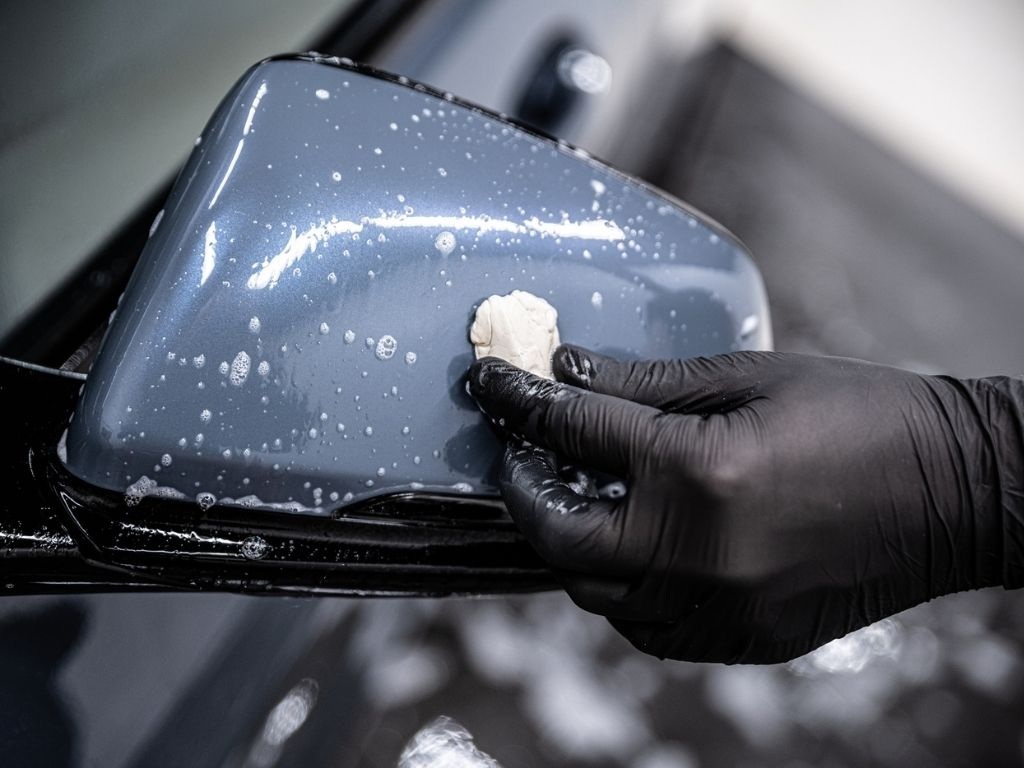
A clay bar is a pliable, putty-like block of synthetic detailing clay. It’s used to lift the contaminants that sit on top of your paint after an ordinary wash.
You glide it over a lubricated panel, usually with a dedicated clay lubricant or diluted car shampoo. The clay catches particles that stand proud of the surface and holds onto them, and you can feel the paint change from rough to slick as you go.
Think of it as exfoliation for your car’s finish. It cleans what’s sitting on the paint, but it doesn’t repair scratches or swirl marks, which is a job for polishing. It usually works as one stage of a complete car detailing service, sitting between the wash and any polishing.
Why Washing Alone Doesn’t Remove Bonded Contaminants
Car shampoo is built to loosen dirt, oils, and road film so they rinse off. It isn’t designed to dislodge particles that have lodged in the microscopic texture of the clear coat.
Those bonded contaminants include industrial fallout, rail dust, brake dust, tar, tree sap, and paint overspray. The iron-bearing particles can even begin to rust in place, leaving tiny orange specks that no wash will lift.
New cars aren’t exempt. Many travel by truck or train and wait in storage lots for weeks, collecting airborne grit before the first owner ever signs the paperwork.
Signs Your Car Is Due for One
The easiest check is the baggie test. After a wash, slip your hand into a thin plastic sandwich bag and glide it over a clean, dry panel. The bag exaggerates tiny bumps, so any snagging or grittiness means contamination is still bonded to the paint.
The paint itself can also give hints. A finish that looks dull right after washing, water that no longer beads the way it used to, orange specks near the wheels, and wax that seems to vanish quickly all point the same way.
Context matters too. A daily driver parked outside near a busy road or a rail line collects far more than a garaged weekend car, and it will show the signs sooner.
How Often Is Often Enough?
Most detailers suggest claying once or twice a year, which works out to roughly every six to twelve months. Treat that as a starting point, since the feel of the paint is a better guide than the calendar.
Climate changes the math. In Hawaii, trade-wind salt spray, strong sun, and volcanic smog, known as vog when Kīlauea is active, all add to what settles on a car. The U.S. Geological Survey notes that vog and the acid rain it can produce speed up the rusting of metal objects, including cars.
Sea salt plays a similar role. Research archived by the National Institutes of Health points out that airborne salt in coastal regions markedly increases atmospheric corrosion compared with clean air. A car parked outdoors near the water may justify a check every three to four months.
What the Process Looks Like
A proper treatment starts with a thorough wash and rinse, so the clay never drags loose grit across the paint. The car should be in the shade, and the work is done in small sections, roughly two feet square at a time.
Lubrication is the step people skip and then regret. Spray the panel generously, glide the flattened clay in light, straight passes, and stop once it moves freely with no resistance.
Fold the clay often to expose a clean face, and discard it if it ever hits the ground. Wipe the residue off with a clean microfiber towel, then repeat the baggie test, because smooth paint means you’re done.
Common Mistakes That Cause Trouble
The most frequent error is working on a hot or sun-baked panel. Lubricant dries out fast in that heat, and the clay starts to grab instead of glide, which is how marring happens.
Another is claying too often. The process is mildly abrasive by nature, so doing it every weekend wears on the clear coat for no real benefit, and a panel that still feels smooth after a quick check doesn’t need another pass.
A smaller slip is carrying on with a bar that has picked up heavy grit from the lower panels. Those areas near the wheels collect the most brake dust and road tar, so switch to a fresh face of clay, or a new bar, before moving back up to the hood and roof.
Where Claying Fits With Polish, Wax, and Coatings
Claying is the middle step in a sensible order of work. Wash first, clay second, polish if the paint has swirls or light scratches, and finish with wax, sealant, or a ceramic coating.
Because clay can strip away existing wax and light sealants along the way, protection needs to go back on afterward. Bare clear coat left unprotected is exposed to the same contaminants you just removed.
Skipping the clay before polishing or coating is a common shortcut that backfires. Polishing over embedded grit can add fine scratches, and sealants generally bond best to clean, bare paint, which is why detailers treat decontamination as groundwork rather than an optional extra.
Doing It Yourself or Calling a Professional
Claying is a reasonable DIY job. A consumer kit costs little and takes an afternoon, and the main risks come from technique: too little lubricant, a dropped bar, or heavy pressure can leave fine marring in the clear coat.
A professional makes more sense on dark paint that shows every flaw, on cars with heavy buildup, or when polishing and coating are planned afterward. Mobile operators such as RC Mobile Detailing Hawaii bring the equipment to a driveway or workplace, which saves a trip and keeps the car out of a shop for the day.
Owners who would rather hand over the whole job can ask for decontamination to be included as part of a broader exterior detail.
The Takeaway
A clay bar treatment doesn’t add shine by itself. It removes the stuck-on layer that keeps paint rough and keeps waxes and coatings from bonding properly.
If your paint feels gritty after a wash, that’s your cue. Run the baggie test, clay once or twice a year, and do it more often if your car lives near salt air or vog.
Finish with a coat of wax or sealant, and the clear coat stays cleaner for longer. It’s a small step that makes every later detailing job easier.