 Johnson Alex
Reliable refuse trucks are essential to waste collection businesses. When a vehicle is unavailable, scheduled pickups may be delayed, other trucks may need to cover the route, and maintenance expenses can rise. For municipalities and private haulers, fleet performance depends on choosing suitable equipment, maintaining it consistently, and responding quickly when service is required.
McNeilus refuse trucks are designed for demanding waste and recycling collection applications. However, dependable performance is not determined by the vehicle alone. Route planning, operator training, preventive maintenance, parts availability, and fleet management practices all influence how effectively a truck performs over time.
Define Fleet Performance Before Buying
Fleet performance can mean different things to different operators. A company focused on commercial collection may prioritize container lifting, payload, and the ability to serve multiple business locations. A residential collection fleet may place greater importance on maneuverability, collection speed, and compatibility with carts.
Before purchasing a truck, managers should identify the measurements that matter most to their operation. These may include completed stops per shift, vehicle availability, maintenance spending, fuel or energy consumption, route completion time, and customer service consistency.
Establishing a baseline makes it easier to assess whether a new vehicle improves the operation. It also helps managers avoid judging a truck solely by its purchase price or advertised features.
Select the Right McNeilus Configuration
McNeilus offers different refuse truck body styles for different collection methods. Front loaders are commonly used for commercial container collection, rear loaders can serve residential and light commercial routes, and side loaders support collection systems designed around side access.
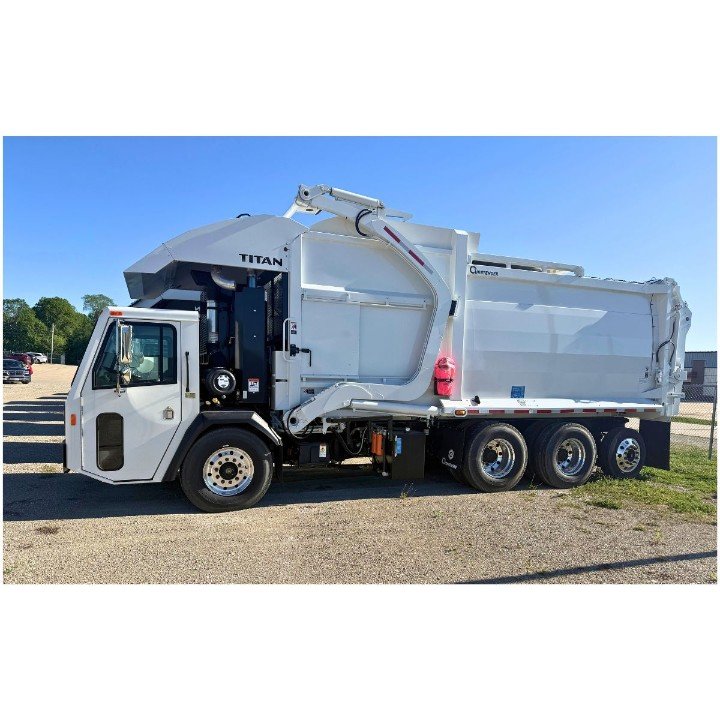
A McNeilus front loader may be appropriate for fleets that collect compatible commercial containers at businesses, retail locations, or other high-volume sites. McNeilus front loader options include the Atlantic Series and Meridian, which have different design priorities and should be compared according to the intended workload.
Fleet managers should review body capacity, lifting requirements, chassis specifications, payload limits, route access, and maintenance needs. They should also confirm that the selected truck is compatible with the containers and operating procedures used by their customers.
A careful selection process can help reduce the risk of buying equipment that is too large, too small, or poorly suited to the route.
Build a Consistent Inspection Routine
Routine inspections are one of the most practical ways to support reliability. Refuse trucks work in demanding environments, and small issues can become larger problems if they are not identified early.
Before each shift, drivers should complete the required inspection and report visible leaks, damaged tires, unusual sounds, warning indicators, lighting problems, and other concerns. The inspection should also cover the truck’s lifting and packing equipment according to the manufacturer’s instructions.
Daily checks do not replace scheduled servicing. Instead, they provide an additional opportunity to notice changes in vehicle condition between maintenance appointments.
Fleet managers should make inspection reporting simple and consistent. Drivers need a clear process for documenting defects, communicating concerns, and determining whether a vehicle requires attention before it can safely continue operating.
Use Preventive Maintenance to Protect Uptime
Preventive maintenance helps fleets plan service before an unexpected failure interrupts operations. The schedule should follow manufacturer recommendations and reflect the truck’s age, workload, route conditions, and service history.
Maintenance activities may include inspections of brakes, steering, suspension, tires, hydraulic systems, electrical components, lifting mechanisms, and packing equipment. Fluid levels, filters, lubrication points, and wear components should receive attention at the appropriate intervals.
Accurate maintenance records are valuable because they reveal patterns. Repeated hydraulic problems, recurring electrical faults, or frequent wear in the same area may indicate an underlying issue that needs further investigation.
Fleet managers should review maintenance information regularly and use it to plan budgets, schedule downtime, and make decisions about repairs or replacement. A proactive approach can help avoid some preventable disruptions, although no maintenance program can eliminate every unexpected failure.
Keep Parts and Service Support Accessible
When a truck needs a replacement component, identifying the correct part and obtaining it in a reasonable timeframe can influence how long the vehicle remains unavailable. Managers should maintain vehicle identification details and service records so parts specialists can determine what is required.
Ten-8 Industrial offers parts and service support for McNeilus refuse trucks, including refuse body diagnostics and repair, hydraulic system service, and mobile service capabilities. These resources can help fleet operators manage repair needs and support ongoing vehicle maintenance.
It is useful to establish service contacts before an urgent repair occurs. Fleet managers can ask about the process for requesting parts, arranging diagnostics, scheduling maintenance, and obtaining technical assistance for their particular truck configuration.
A clear repair process also helps supervisors decide how to cover a route while a vehicle is being serviced. Backup planning can reduce the effect of a breakdown on customers and the rest of the fleet.
Train Operators to Protect Equipment
Driver behavior affects vehicle condition, safety, and operating costs. Employees should understand the correct operating procedures for the model they use, including loading sequences, vehicle positioning, inspections, and responses to warning indicators.
Operators should never exceed equipment limits or continue working when a condition makes operation unsafe. They should report unusual performance promptly and follow approved procedures when a truck requires inspection or repair.
Training should be updated when equipment changes or recurring problems appear. Fleet managers can also use maintenance records and driver feedback to identify areas where additional instruction may improve performance.
A consistent operating approach across the team can reduce unnecessary strain on equipment and make it easier to identify abnormal behavior.
Improve Route Planning and Vehicle Utilization
Even a reliable refuse truck can be used inefficiently if its route is poorly planned. Excessive travel, difficult access, poorly placed containers, and unrealistic collection schedules can waste time and increase operating costs.
Fleet managers should review route distances, stop density, traffic conditions, container locations, and typical waste volumes. Assigning vehicles according to their strengths can help balance workload and reduce unnecessary travel.
Route planning should also account for maintenance schedules and vehicle availability. Scheduling preventive service during planned downtime may be more practical than waiting until a truck develops a problem during a busy collection period.
Operational data can help identify where changes are worthwhile. However, productivity improvements should never compromise safe vehicle operation or create unrealistic demands on drivers.
Consider Technology and Future Fleet Needs
Diagnostic technology can assist with troubleshooting certain vehicle issues. Some McNeilus front loader configurations offer optional in-cab diagnostics, depending on the selected model and equipment. These features can support technicians, but regular inspections and qualified maintenance remain essential.
Fleet managers may also assess alternative powertrains and newer collection technologies as part of their long-term planning. The suitability of an electric refuse truck, for example, depends on route requirements, charging access, vehicle utilization, service support, and total ownership costs.
Any technology investment should be evaluated against practical operating conditions rather than assumed benefits alone.
Measure Results and Review Fleet Strategy
Fleet performance improves when managers regularly review useful information. Vehicle availability, repair frequency, maintenance spending, route completion, and customer service issues can reveal where the operation is performing well and where changes are needed.
Comparing results over time helps managers understand whether maintenance plans, training, route changes, or equipment upgrades are delivering value. It also supports more realistic budgeting and replacement planning.
Conclusion
Maintaining the performance and reliability of McNeilus refuse trucks requires a coordinated approach. The right vehicle configuration must match the collection application, while inspections, preventive maintenance, operator training, and route planning support dependable day-to-day operation.
Access to parts and service support is another important consideration. By planning for maintenance and working with resources such as Ten-8 Industrial, fleet managers can prepare for repairs, manage vehicle availability, and make informed decisions about the long-term needs of their waste collection operations.