 Benjamin Jones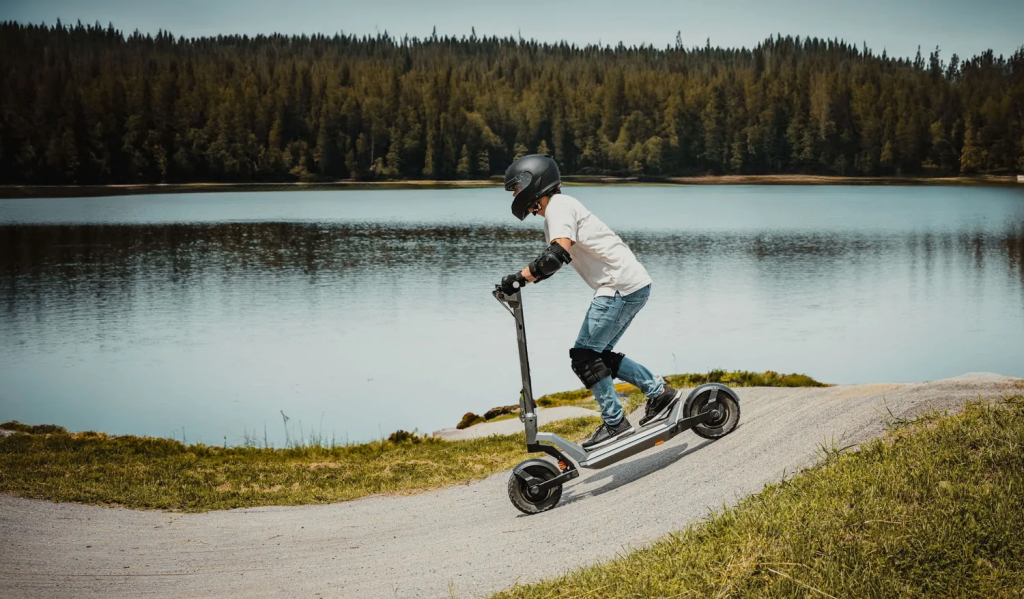
All terrain electric scooters are becoming a popular choice for people who want a simple way to travel and explore at the same time. These all-terrain electric scooters are built to handle many types of surfaces, such as dirt paths, grass, gravel, and uneven roads. At the same time, they still work well for daily rides in the city. Because of this, they offer a good mix of convenience, fun, and savings compared to cars or motorcycles. If you are new to riding, learning the basics and building good habits will help you stay safe and enjoy every trip.
Getting Ready Before You Ride
Before you take your scooter out, it is important to prepare properly. A few simple steps can help prevent problems and make your ride smoother and safer.
Wear Proper Safety Gear
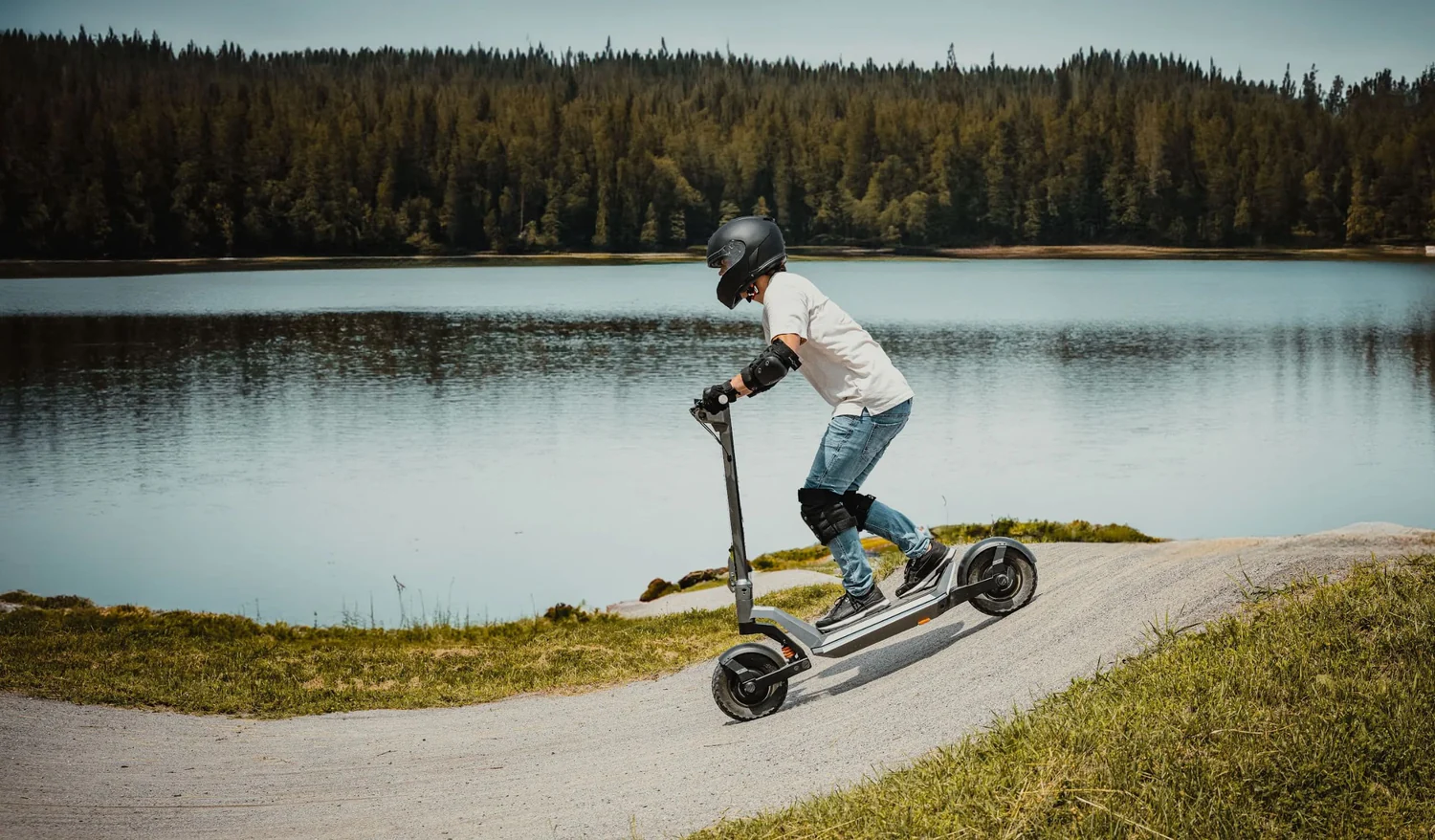
Safety gear is the first thing you should think about. A strong helmet helps protect your head and should always be worn. Knee pads, elbow pads, and wrist guards are also helpful, especially for beginners. These items reduce the chance of injury if you fall or hit rough ground. Wearing the right shoes with good grip is also important to help you stay balanced.
Choose the Right Scooter for Your Needs
Not all scooters are designed for rough terrain. If you plan to ride on uneven paths, choose one with strong motors, wide tires, and a good suspension system. These features help the scooter handle bumps and keep your ride stable. A solid frame is also important because it supports your weight and helps the scooter last longer.
Check the Battery and Basic Parts
Before riding, always check that your battery is fully charged. This helps you avoid running out of power while on the road. Look at your tires to make sure they have enough air and no damage. Test your brakes to ensure they are working well. It is also a good idea to carry simple tools, like a small pump and a wrench, for quick fixes if needed.
Understand How Your Scooter Works
Take time to learn your scooter’s controls before riding in busy areas. Practice using the throttle and brakes in a safe, open space. Learn how fast your scooter can go and how quickly it stops. This will help you feel more confident and in control when you ride in different places.
Riding Techniques and Safety Tips
Once you are ready, using the right riding techniques will help you stay safe and enjoy your scooter more. Good habits can make a big difference, especially when riding on different types of terrain.
Start and Stop Smoothly
When starting, give your scooter a small push and slowly press the throttle. Avoid sudden acceleration, as it can make you lose balance. When stopping, apply the brakes gently and steadily. Sudden braking can cause the scooter to skid, especially on loose or wet surfaces.
Maintain Good Balance and Posture
Your body position plays a big role in staying stable. Keep your feet apart and your knees slightly bent. This helps absorb shocks from bumps. Keep your upper body relaxed and your hands steady on the handlebars. Always look ahead so you can see obstacles early and react in time.
Adjust to Different Surfaces
Different terrains require different riding styles. On rough or bumpy paths, keep your knees bent to reduce impact. On sand or loose gravel, ride more slowly to avoid slipping. When going uphill, lean forward to keep balance. When going downhill, lean back slightly and use your brakes carefully to control your speed.
Control Your Speed
Speed should always match your surroundings. Riding fast may feel exciting, but it increases the risk of accidents. Slow down when riding near people, in narrow paths, or on uneven ground. Keeping a steady and controlled speed helps you react quickly if something unexpected happens.
Stay Aware and Follow Rules
Always pay attention to what is around you. Watch for cars, people, and obstacles. Avoid using your phone or wearing headphones while riding, as they can distract you. Follow local traffic rules and use lights if you ride in low-light conditions.
Take Care of Your Scooter
Regular maintenance keeps your scooter safe and working well. Clean it after riding on dirt or mud. Check the tires, brakes, and battery often. Tighten any loose parts and make sure everything is in good condition. Store your scooter in a dry and safe place to protect it from damage.